Canada: Gaining Energy Independence Through Solar Power

Canada: Gaining Energy Independence Through Solar Power

For homeowners in Canada, gaining energy independence through solar power is an increasingly popular and practical option. With diverse climate conditions, rising electricity prices, and a growing concern about sustainability, solar energy provides an opportunity for homeowners to reduce their reliance on the electrical grid, lower their energy costs, and enjoy financial and environmental benefits.

What Does Energy Independence Mean?

Energy independence refers to the ability to produce your own electricity, reducing reliance on the national or provincial grid. By installing solar panels, homeowners can generate electricity from sunlight, which can then be used to power their homes. For those who want to go a step further, incorporating battery storage systems allows homeowners to store excess energy for use at night or during cloudy days, ensuring continuous power.

Why Choose Solar Power for Energy Independence in Canada?

Lower Energy Bills

In Canada, electricity prices vary depending on the province, but they are generally rising. Solar power can be a highly effective way to reduce electricity bills. For homeowners in provinces with high electricity costs, such as Ontario or British Columbia, installing solar panels can provide substantial savings. By generating their own electricity, homeowners can reduce the amount of energy they need to purchase from the grid. For those with solar systems that produce excess energy, net metering allows them to sell back this surplus to the grid, further reducing energy costs.

Energy Security and Reliability

While Canada has a reliable power grid, power outages are still possible, especially in remote areas or during extreme weather events such as snowstorms, which are not uncommon in certain parts of the country. Solar panels, particularly when paired with battery storage, offer homeowners a reliable and independent source of energy. During outages, homeowners with solar and battery systems can maintain power in their homes, ensuring continued operation of essential devices such as heating systems, lights, and refrigerators.

Government Incentives and Financing Options

Canada offers various federal and provincial incentives for homeowners who invest in solar power systems. The federal government provides funding through the Canada Greener Homes Grant, which offers up to CAD $5,000 for solar panel installation, as well as a CAD $600 rebate for energy audits. Many provinces, such as British Columbia and Alberta, offer additional rebates or incentives to help offset the cost of solar power systems. These programs significantly reduce the upfront cost, making solar energy more affordable for homeowners. Financing options, such as low-interest loans or leases, are also available for solar system installations, helping homeowners manage the initial cash flow. Many Canadian homeowners opt for loans that can be repaid through monthly savings on their energy bills, making solar an attractive option even for those with limited upfront capital.

Environmental Impact and Sustainability

Solar power is a clean and renewable energy source, which helps reduce Canada’s carbon footprint. Solar panels produce no emissions during operation and have a minimal environmental impact. Given the increasing focus on climate change and sustainability, installing solar power systems aligns with a growing desire to protect the environment. Solar energy is one of the most effective ways to reduce a household’s carbon footprint, contributing to the global effort to combat climate change.

Case Study of Solar Power Installation in Canada

Let’s take a typical example of a Canadian homeowner installing a solar system:

  • System Size: 6 kW
  • Installation Cost (after incentives): CAD $10,000 – CAD $16,000
  • Annual Energy Savings: CAD $1,000 – CAD $1,500 (depending on location and system size)
  • Battery Storage: Optional (CAD $6,000 – CAD $8,000 for a standard home battery)
  • Electricity Bill Reduction: 40% – 70%, depending on household energy usage and system size

A 6 kW solar system will typically pay back its initial investment in approximately 7 to 10 years, depending on the electricity rates in the homeowner’s region and the available incentives. As with the U.S. and other countries, excess energy can often be sold back to the grid, providing additional savings. In areas with higher energy costs, such as Ontario or British Columbia, the payback period may be even shorter.

Managing Cash Flow and Down Payments

Solar power systems typically require a significant upfront investment. However, the long-term savings and government incentives can help make this investment more manageable. Many Canadian homeowners choose to finance their solar system through low-interest loans, which allow them to spread the cost of the system over several years. Some opt for home equity lines of credit (HELOCs) or personal loans, which may offer lower interest rates than traditional financing options.

In addition to the available financing, homeowners can often pay for their system through energy savings. By reducing or eliminating their electricity bills, homeowners can recoup their investment over time. Many financing options are structured to allow homeowners to pay off the loan through the monthly savings on their electricity bills, meaning they are not out of pocket for the difference.

Conclusion

For Canadian homeowners, installing solar panels provides an opportunity to gain energy independence, reduce electricity bills, and make a positive environmental impact. With federal and provincial incentives, as well as financing options, the cost of solar energy is becoming more accessible. In areas with rising electricity prices and concerns about grid reliability, solar power offers homeowners an independent, reliable, and sustainable energy source.

As climate change becomes an increasingly urgent issue, installing solar panels helps homeowners reduce their carbon footprint and contribute to global sustainability goals. The potential savings, combined with government incentives and financing options, make solar energy a smart investment for homeowners in Canada who want to lower their energy costs and gain energy independence.

太陽光発電の導入が日本の環境と生態系にもたらす恩恵

太陽光発電の導入が日本の環境と生態系にもたらす恩恵

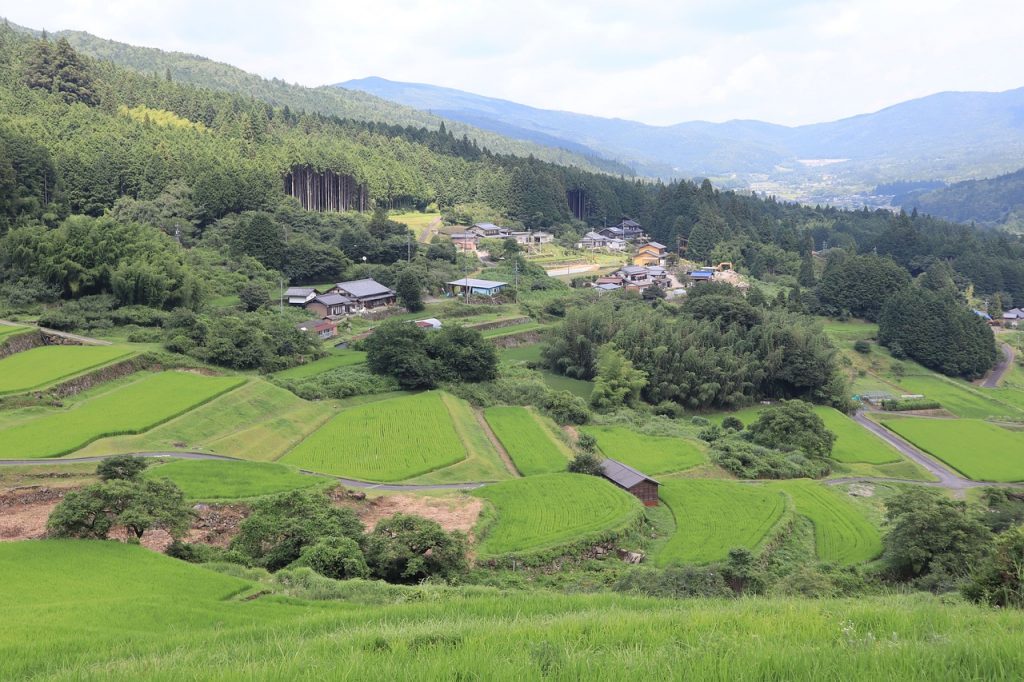
日本は国土の約70%が森林に覆われ、四季折々の気候と複雑な地形が豊かな生物多様性を育んでいます。そんな日本において、太陽光発電システムの導入は、単なるCO₂排出削減にとどまらず、環境全体や地域の生態系保護にも大きな意味を持っています。以下では、日本独自の自然環境とそこに生きるフローラ(植物)・ファウナ(動物)に着目しながら、その効果を具体的に考察します。

CO₂排出量の削減と大気環境の改善

日本はエネルギー資源の多くを化石燃料に依存しており、電力の約75%が火力発電に由来しています。太陽光発電の導入によって、化石燃料の燃焼による二酸化炭素や窒素酸化物、硫黄酸化物などの排出を抑制することができ、都市部における大気汚染の改善が期待されます。

この改善は、ヒノキやスギといった森林植物の光合成能力の維持・強化につながり、結果としてさらなるCO₂吸収の促進にもつながります。また、都市部で観測されるPM2.5の濃度が下がることで、人間だけでなく鳥類や小型哺乳類への健康被害のリスクも低減されます。

気候変動の緩和と生態系の保全

日本では近年、温暖化の影響により春の訪れが早まり、桜の開花や昆虫の活動時期が前倒しになるなど、自然界のリズムに変化が現れています。特に高山帯の固有種であるライチョウ(雷鳥)や高山植物のミヤマキンポウゲなどは、冷涼な環境に依存しており、温暖化により生息域が狭められつつあります。

太陽光発電の普及は温室効果ガスの削減を促進し、このような環境変化のペースを緩やかにする手段となります。特に山岳地帯や中山間地域において、住宅や施設に太陽光パネルを導入することで、地域の自然生態系への負荷を最小限に抑えつつ持続可能なエネルギー供給が可能になります。

水資源と水生生態系への間接的な恩恵

火力発電や一部の水力発電は多量の水を冷却や発電プロセスで使用しますが、太陽光発電は基本的に水を使用しません。これにより、水資源の使用量を抑えるとともに、河川や湖沼への熱や化学物質の排出も防ぐことができます。

これによって、例えば清流に生息するアユやイワナなどの魚類、さらにはトンボやカゲロウなどの水生昆虫の生息環境が守られます。特に日本の川には独自の生態系が広がっており、わずかな水温や水質の変化が個体群の存続に影響を及ぼします。太陽光発電の導入は、これらの繊細な水辺の自然を守るための間接的な手段となるのです。

森林保全との両立可能な設置方法の模索

ただし、太陽光発電パネルの大規模な設置による森林伐採が問題視されることもあります。この点においては、建物の屋根や既存のインフラ(例:駐車場や廃校跡地など)を活用した設置が望まれます。これにより、林床の植物や昆虫類、鳥類(例えばウグイスやヤマガラなど)の生息地を維持しつつ、再生可能エネルギーを推進することができます。

また、近年では「アグリソーラー(営農型太陽光発電)」のように、農地の上部に太陽光パネルを設置し、下部では農作物を栽培する形も広がっており、農業と生態系保全の両立が可能となっています。

日本の自然と共生するエネルギー選択肢としての太陽光発電

日本の豊かな自然と多様な生態系を守るためには、エネルギーの選択が重要です。太陽光発電は、気候変動の緩和、大気・水環境の改善、生物多様性の保全といった面で多くのメリットを持ち、今後の持続可能な社会づくりの中核となる技術です。

設置の際には地域特性や生態系への影響を十分に考慮し、環境と調和した方法で導入を進めることが求められます。自然と共生しながらエネルギーを得る。そのバランスを取るためにも、太陽光発電は日本の未来にとって重要な選択肢といえるでしょう。

How Solar Energy Benefits Australia’s Environment and Biodiversity

How Solar Energy Benefits Australia's Environment and Biodiversity

Australia is a land of extraordinary ecological diversity—from the Great Barrier Reef to the eucalyptus-dominated bushlands, from arid deserts to tropical rainforests. It is home to thousands of endemic species found nowhere else on Earth. As climate change and human activity threaten these delicate ecosystems, solar energy stands out not only as a clean alternative to fossil fuels but also as a way to protect and enhance Australia’s environmental health. Here’s how:

Reducing Greenhouse Gas Emissions and Air Pollution

Australia has historically relied on coal-fired power plants, which are among the most carbon-intensive energy sources. Installing solar systems helps reduce greenhouse gas emissions significantly. This reduction in emissions contributes to slowing down climate change, which is essential for protecting ecosystems like the Great Barrier Reef, whose coral is highly sensitive to rising sea temperatures.

Moreover, air quality benefits from the reduction in particulate matter and sulfur dioxide, which can harm both humans and wildlife—especially species like koalas and gliders that rely on clean, tree-filled environments for survival.

Mitigating Climate Change Effects on Iconic Wildlife

Australia’s unique fauna—including kangaroos, wombats, echidnas, and more—is extremely sensitive to changing environmental conditions. Rising temperatures, longer droughts, and more intense bushfires threaten the survival of many species.

Solar power contributes to mitigating these threats by reducing reliance on fossil fuels. For example, the Eucalyptus forests, vital for koalas, are under increasing stress from heat and erratic rainfall. By helping to stabilize climate patterns, solar energy indirectly supports the preservation of these habitats.

Protecting Water Resources and Aquatic Ecosystems

Unlike coal and gas plants, solar panels do not consume water for cooling purposes. This is especially significant in Australia, where water is a scarce resource and many rivers and wetlands are under threat from overuse and climate stress.

By reducing water demand, solar systems help protect fragile aquatic habitats like the Murray-Darling Basin, home to species such as the Murray cod, platypus, and numerous water birds. Healthier water systems also support agriculture and regional biodiversity.

Opportunities for Eco-Friendly Land Use

There are growing movements toward dual-use solar farms, such as agrivoltaics, which allow both electricity generation and agricultural activities on the same land. This approach benefits Australia’s rural regions, where land productivity and biodiversity conservation can go hand in hand.

Solar installations on rooftops, carports, or degraded lands prevent the need to clear native bushland, helping maintain ecosystems and preventing habitat fragmentation—an ongoing concern in Australia due to urban expansion and mining.

Combating Bushfires Through Solar Energy

Australia’s bushfires have intensified in recent years, in part due to hotter and drier conditions. Solar energy systems, especially those integrated with battery storage, support decentralised power generation. This reduces reliance on long-distance power lines, which have sometimes been implicated in fire outbreaks.

Moreover, homes and buildings equipped with solar-plus-storage systems can stay powered during grid outages, providing critical resilience in fire-prone areas.

A Path Forward for Australia’s Nature and Energy Future

The adoption of solar energy is more than a financial or technological decision in Australia—it is an ecological necessity. With its rich and delicate biodiversity, the country faces significant environmental challenges that renewable energy can help address.

From protecting the habitats of iconic marsupials to safeguarding critical water systems and reducing the frequency of devastating bushfires, solar power represents a vital tool in Australia’s path to environmental resilience. Every rooftop panel and solar farm not only cuts carbon but helps shield the very essence of what makes Australia unique.

How Solar Energy Supports New Zealand’s Environment and Biodiversity

How Solar Energy Supports New Zealand’s Environment and Biodiversity

New Zealand is world-renowned for its pristine landscapes, rugged mountains, native forests, and unique wildlife. From the kea and kiwi birds to the ancient kauri trees and glowworm-lit caves, the country’s ecosystems are both diverse and fragile. In the face of rising climate risks, habitat loss, and pollution, transitioning to clean energy sources like solar power offers New Zealand an important opportunity to protect its natural heritage.

Cutting Carbon Emissions to Preserve Native Ecosystems

New Zealand has set bold climate goals, including reaching net-zero carbon emissions by 2050. Although the country already benefits from a high share of renewable energy (mainly hydropower and geothermal), solar energy is gaining traction as a key supplement.

By installing solar panels at the residential, commercial, and farm levels, the country can reduce dependence on fossil fuels—particularly during peak hours when backup generators often rely on gas or diesel. This reduction in emissions helps slow climate change, which threatens sensitive alpine zones, coastal ecosystems, and forests like those in Fiordland and Tongariro.

Protecting Unique Wildlife from Environmental Stress

New Zealand is home to some of the world’s rarest species, such as the kiwi, takahe, and tuatara. Many of these species have no natural predators and are extremely sensitive to changes in habitat, temperature, and food availability.

Rising temperatures and shifting weather patterns caused by global emissions can impact breeding seasons, food chains, and forest health. Solar energy helps reduce these pressures, giving wildlife sanctuaries and conservation zones a better chance of maintaining stable conditions.

Reducing Pollution and Habitat Degradation

Unlike fossil fuel plants, solar installations emit no air or water pollutants. This is critical for protecting wetlands, estuaries, and river ecosystems, such as those in the Waikato and Canterbury regions, which are under stress from agricultural runoff and urban growth.

Additionally, rooftop solar allows homeowners to generate clean energy without requiring land-use change. This means native bushlands and farmlands don’t need to be cleared, helping to prevent habitat fragmentation—a key driver of biodiversity loss in New Zealand.

Supporting Eco-Friendly Farming and Rural Sustainability

New Zealand’s economy is closely tied to agriculture and rural living. Solar energy can support farmers in reducing their operational costs and carbon footprints through installations on barn rooftops, irrigation systems, or in conjunction with pasture land.

By integrating solar with regenerative farming practices, rural communities can preserve soil health and biodiversity while remaining energy-resilient—especially in remote regions with less reliable grid access.

Empowering Local Conservation through Solar Energy

Many of New Zealand’s wildlife reserves and predator-free islands are in isolated locations. Solar systems offer a sustainable energy solution for off-grid conservation efforts, such as powering field stations, cameras, and electric fences designed to keep out invasive species.

This self-sufficiency is not only more environmentally friendly but also reduces the need for diesel generators, further minimizing the environmental footprint of conservation operations.

Powering a Cleaner Future for Aotearoa

New Zealand’s ecological treasures—from ancient rainforests to rare native birds—are deeply intertwined with its cultural identity and national pride. Solar energy offers a practical and impactful way to help protect these natural assets.

By harnessing the sun, Kiwis can reduce carbon emissions, support sustainable land use, and ensure that future generations experience the same awe-inspiring nature that defines Aotearoa. Whether on a family home in Auckland, a sheep station in Otago, or a conservation site on Stewart Island, solar power is helping to secure a greener, more biodiverse New Zealand.

How Solar Energy Supports the U.S. Environment and Biodiversity

Preparing for a Climate-Stable Future by Solar Energy

The United States spans a vast range of ecosystems—from the alpine forests of the Rockies and the Great Plains grasslands, to coastal marshes, arid deserts, and subtropical wetlands. Each of these regions is home to unique flora and fauna, many of which are under pressure from climate change, pollution, and habitat fragmentation. Solar energy plays a key role in mitigating these pressures, supporting a cleaner environment and healthier ecosystems.

Lowering Greenhouse Gas Emissions to Protect Regional Ecosystems

The U.S. remains one of the largest emitters of greenhouse gases globally. Although progress is being made with federal and state-level decarbonization efforts, coal and natural gas still make up a significant portion of electricity generation in several regions.

Wider adoption of residential, commercial, and utility-scale solar power reduces dependence on fossil fuels. This helps mitigate climate-driven threats such as:

  • Rising sea levels affecting the East Coast and Gulf Coast wetlands.
  • Prolonged droughts and wildfires in the western U.S., harming forests and species like the spotted owl and sage grouse.
  • Temperature shifts threatening alpine habitats in the Sierra Nevada and Rocky Mountains.

Reducing Air and Water Pollution

Fossil fuel plants are major contributors to smog, acid rain, and water contamination. These pollutants affect both human health and biodiversity—impacting amphibians, pollinators, and aquatic species.

Solar panels produce electricity without emitting sulfur dioxide, nitrogen oxides, mercury, or particulate matter. This makes them an essential solution for improving air and water quality in both urban and rural areas. For example:

  • Solar adoption in Los Angeles or Houston can reduce urban smog, benefitting respiratory health and nearby ecosystems.
  • In the Appalachians, solar reduces reliance on coal mining, protecting streams from toxic runoff.

Supporting Habitat Conservation and Low-Impact Land Use

Large-scale solar installations, when well-planned, can be integrated into agricultural lands, brownfields, or rooftops to avoid habitat destruction. Moreover, some solar farms now implement “pollinator-friendly” designs, seeding native plants beneath panels to support bees, butterflies, and birds.

In states like Minnesota and New York, dual-use solar initiatives (agrivoltaics) allow landowners to combine solar generation with livestock grazing or native plant restoration, minimizing ecological trade-offs.

Enabling Sustainable Living and Local Resilience

Off-grid and community solar systems are increasingly used in rural and tribal communities, empowering local energy independence while reducing the need for infrastructure that may disrupt ecosystems.

Solar-powered buildings and electric vehicle (EV) infrastructure also contribute to reduced fossil fuel consumption, helping protect landscapes like:

  • The Everglades, home to alligators and endangered panthers.
  • The Sonoran Desert, a delicate ecosystem for species like the saguaro cactus and Gila monster.
  • Coastal estuaries like the Chesapeake Bay, critical for fish, birds, and shellfish.

Preparing for a Climate-Stable Future by Solar Energy

By helping to curb emissions, solar energy slows global warming—a vital step to preserving sensitive species and ecological cycles.

This is especially important in climate-vulnerable areas such as:

  • Alaska, where melting permafrost is affecting wildlife migration and forest stability.
  • The Pacific Northwest, where salmon populations rely on cold, clean rivers.
  • The Great Lakes, where changing water temperatures impact fish and wetland systems.

Harnessing the Sun to Protect American Nature

Whether in the pine forests of Maine or the mesas of New Mexico, the U.S. is home to some of the world’s most remarkable natural environments. But these ecosystems face growing threats. Investing in solar energy is not only a climate solution—it’s a conservation strategy.

By transitioning homes, businesses, and farms to solar, Americans can contribute directly to cleaner air, healthier wildlife habitats, and more resilient communities. With smart policy and public engagement, solar energy can help ensure the country’s natural beauty and biodiversity endure for generations to come.

How Solar Energy Supports Canada’s Environment and Wildlife

How Solar Energy Supports Canada's Environment and Wildlife

Canada, home to some of the world’s most pristine wilderness areas and diverse ecosystems, is uniquely positioned to benefit from a shift toward clean, renewable energy. From the boreal forests and arctic tundra to prairie grasslands and coastal temperate rainforests, each region supports fragile ecological systems increasingly threatened by climate change and pollution. Solar energy offers an opportunity to reduce environmental harm while enhancing biodiversity protection and long-term sustainability.

Reducing Emissions to Protect Vulnerable Ecosystems

Canada’s energy system is already relatively clean, especially in provinces like British Columbia and Quebec where hydroelectric power dominates. However, provinces like Alberta, Saskatchewan, and Nova Scotia still rely heavily on fossil fuels—primarily natural gas and coal—for electricity.

Expanding the use of solar panels, especially in carbon-intensive regions, helps reduce greenhouse gas emissions that contribute to:

  • Melting permafrost in the North, altering habitats for caribou, polar bears, and Arctic foxes.
  • Forest fires in British Columbia and Alberta, intensified by climate change, endangering boreal forest species like moose, lynx, and woodpeckers.
  • Temperature changes that affect aquatic ecosystems in the Great Lakes, harming fish populations like lake trout and walleye.

Cleaner Air and Water for Wildlife and Humans

Fossil fuel extraction and burning contribute to airborne pollutants and water contamination, especially near oil sands operations and industrial zones.

Solar power, by contrast, generates electricity without air or water pollution, leading to:

  • Improved air quality in urban areas such as Toronto, Edmonton, and Montreal, reducing respiratory stress on both people and animals.
  • Protection of freshwater ecosystems like those in Ontario and Manitoba, where acid rain and runoff currently threaten amphibians, birds, and beavers.

Encouraging Sustainable Land Use and Biodiversity

Rooftop solar and dual-use solar farms (agrivoltaics) minimize land disruption. In rural Canada, solar panels can be installed on existing structures, farm buildings, or degraded lands.

Some solar installations are designed to support pollinator habitats by incorporating native wildflowers and grasses beneath the panels, benefitting bees, butterflies, and birds—crucial for Canada’s agricultural productivity and ecosystem health.

Supporting Indigenous Communities and Remote Regions

Many First Nations and Inuit communities in Canada’s North and remote areas still rely on diesel generators, which are expensive and harmful to the environment. Solar microgrids are increasingly being deployed to:

  • Reduce reliance on diesel imports.
  • Lower health risks from air pollution.
  • Provide stable, autonomous energy that respects and preserves the natural environment and traditional ways of life.

Projects like those in Yukon and Northern Ontario show the transformative power of solar in strengthening community resilience and environmental stewardship.

Climate Adaptation and Biodiversity Preservation

Solar energy helps reduce Canada’s carbon footprint, slowing the pace of warming that threatens habitats for species such as:

  • The North Atlantic right whale along the East Coast.
  • The grizzly bear and mountain caribou in western Canada.
  • Migratory birds dependent on stable wetland and forest environments across provinces.

By mitigating climate change, solar also reduces risks of ecosystem collapse and species migration that could destabilize Canada’s biodiversity.

Solar Energy as a Stewardship Tool for Canada’s Natural Legacy

Canada’s environmental identity is deeply tied to its rich landscapes and diverse wildlife. As climate change intensifies, solar power stands out as a clean, scalable solution that not only reduces pollution and emissions but also supports ecological integrity and sustainable development.

Whether it’s an urban homeowner installing rooftop panels in Vancouver or a rural farmer in Saskatchewan participating in a community solar project, every action contributes to preserving Canada’s natural heritage. By investing in solar, Canadians can ensure a healthier, more biodiverse future for the generations to come.

日本における太陽光発電のデメリット:慎重に考えるべき点とは?

日本における太陽光発電のデメリット:慎重に考えるべき点とは?

再生可能エネルギーへの関心が高まる中、太陽光発電は環境への配慮と電気料金の節約を実現できる手段として注目されています。しかし、日本においては、導入前に慎重に検討すべきデメリットや課題も多く存在します。本記事では、個人の住宅レベルでの導入を検討している方に向けて、太陽光発電の日本特有のデメリットについて解説します。

設置コストと初期投資の負担

日本では住宅が密集している都市部が多く、屋根の形状や耐震基準などの条件によって、太陽光パネルの設置費用が高額になる傾向があります。一般的に200万円〜300万円の初期投資が必要とされており、ローンを組む場合でも、他の支出(住宅ローン・教育費など)とのバランスを取る必要があります。

屋根スペースや日照条件の制約

日本の住宅は屋根面積が限られている上、近隣住宅やマンションなどの影によって、十分な日照時間を確保できないケースがあります。特に関東圏・都市部では隣家の建物による遮光が問題となり、想定された発電量を得られないことがあります。

台風や地震によるリスク

日本は地震・台風・大雪などの自然災害が多い国です。特に台風による強風や飛来物でパネルが破損するリスクや、地震で設置機材が損傷するケースもあり、メンテナンスコストが発生することがあります。保険加入が推奨されますが、それも追加コストになります。

買取価格の下落と売電の不安定性

かつては固定価格買取制度(FIT)によって高額な売電収入が期待できましたが、制度の改正により売電単価は年々下落しています。現在では、売電よりも「自家消費」による節電メリットが主になりますが、昼間に家にいない家庭ではメリットを最大化しにくいという現実もあります。

太陽光発電機器のメンテナンス・寿命と交換費用

パネル自体の寿命は20〜30年と言われていますが、パワーコンディショナーなど周辺機器は10〜15年で交換が必要になることもあります。また、鳥の巣作りや落ち葉の蓄積など、定期的な点検や清掃も必要で、完全な「メンテナンスフリー」ではありません。

環境意識と経済的メリットのバランスを見極める

太陽光発電は確かに持続可能なエネルギーであり、長期的には電気代の節約や環境への貢献につながります。しかし、日本では立地条件や災害リスク、制度的な変動など、他国と比較して慎重な判断が必要です。

導入前には、設置業者やファイナンシャルプランナーと相談し、実際の費用対効果やリスク、生活スタイルに合ったシミュレーションを行うことが不可欠です。

The Disadvantages of Solar Energy in Australia: What Homeowners Should Consider Before Investing

The Disadvantages of Solar Energy in Australia: What Homeowners Should Consider Before Investing

Australia is one of the sunniest continents on Earth, making it an ideal location for harnessing solar energy. With government incentives and rising electricity prices, many Australians see solar as a smart long-term investment. However, like any major home upgrade, installing a solar power system isn’t without its challenges. Before jumping into solar, homeowners should be aware of the potential disadvantages, particularly those unique to the Australian context.

High Upfront Costs Despite Subsidies

Even with generous government rebates like the Small-scale Renewable Energy Scheme (SRES), the initial investment for a solar system can be substantial. A typical 6.6 kW system with a battery can cost anywhere from AUD 8,000 to AUD 15,000. While financing and green loans are available, they still add to household debt and require careful budgeting—especially for families already managing a mortgage and rising cost of living.

Grid Limitations in Regional and Remote Areas

In many rural or remote parts of Australia, the local grid infrastructure is weak or outdated. This can lead to issues with feed-in tariffs being capped or refused entirely. Some networks even limit the amount of energy that homeowners can export, which can reduce the financial return on investment for larger systems.

Performance Drops in High Heat

It’s a common misconception that hotter weather equals more solar power. In fact, excessive heat can reduce panel efficiency. In areas like Western Australia, Northern Territory, or inland Queensland, extreme temperatures can cause noticeable drops in performance during peak summer months—precisely when power is needed most.

Maintenance Challenges from Harsh Weather

While Australia enjoys abundant sun, it also contends with extreme weather: bushfires, hailstorms, cyclones, and dust storms. Solar panels may suffer damage from hail or flying debris, and salt corrosion is a risk for homes near the coast. Insurance can cover some of these issues, but premiums may rise with a solar installation.

Batteries Are Still Expensive and Complex

Home battery storage, such as the Tesla Powerwall or LG Chem, allows homeowners to store solar energy for nighttime use. However, batteries add thousands of dollars to the system and come with their own lifespans, efficiency concerns, and warranty limitations. For some households, the payback period may be too long to justify the additional cost.

Uncertain Government Policies and Feed-in Tariffs

Australian states and territories have different policies regarding solar incentives, and they change frequently. Feed-in tariffs have declined significantly over the past decade, and homeowners can no longer rely on high returns from selling excess power back to the grid. These shifts make it harder to forecast long-term savings.

Solar Energy is A Smart Choice, But Not for Everyone

For many Australian households, especially those with high daytime energy use, solar can still be a wise investment. But the benefits depend on location, roof orientation, grid access, household usage patterns, and financial flexibility. It’s crucial for prospective solar users to assess their situation carefully and speak with qualified solar installers, electricians, or financial advisors.

Before investing in solar, think beyond the sunshine and evaluate whether the long-term savings and sustainability align with your home’s characteristics and your family’s financial goals.

The Cons of Solar Energy in New Zealand: What Homeowners Should Know Before Going Solar

The Cons of Solar Energy in New Zealand: What Homeowners Should Know Before Going Solar

New Zealanders are increasingly turning to solar energy to reduce their electricity bills and embrace a more sustainable lifestyle. With a growing focus on renewable energy and energy independence, solar panels are becoming more common across Kiwi rooftops. However, there are several key considerations and disadvantages unique to the New Zealand context that homeowners should be aware of before making the investment.

High Upfront Costs and Long Payback Periods

Installing a standard residential solar system in New Zealand typically costs between NZD 8,000 and NZD 15,000. Without a nationwide subsidy scheme or feed-in tariff like those in Australia or the UK, the financial return can be slower. Depending on usage and system size, the payback period can range from 10 to 15 years, which may be longer than some homeowners expect or prefer.

Limited Government Support for Solar Energy

Unlike many countries, New Zealand does not offer a national solar incentive or rebate programme. Some local councils may provide low-interest loans or sustainability grants, but they are not widely available. This lack of policy support means homeowners must shoulder most of the initial financial burden on their own.

Weather Variability and Less Sunlight in Winter

While New Zealand receives a decent amount of sunshine annually, the weather can be highly variable. In areas like Wellington or the West Coast of the South Island, frequent cloud cover, rain, and shorter winter days significantly reduce solar output. Seasonal variability can make solar systems less effective at offsetting winter electricity bills.

Low Buy-Back Rates for Excess Power

Most New Zealand energy retailers offer buy-back rates for surplus electricity exported to the grid, but the rates are low—often between 7 and 12 cents per kWh. This is much lower than the retail rate for electricity (25–35 cents/kWh), meaning the financial return on exporting power is minimal. This discourages over-sizing systems and makes battery storage less appealing from a cost perspective.

Roof Orientation and Shading Challenges

Many older New Zealand homes were not built with solar in mind. Roofs may not be ideally oriented to the north (in the southern hemisphere), or may have multiple pitches and obstructions like chimneys and trees, which limit panel placement and reduce efficiency. Retrofitting solar onto these homes can be more complex and costly.

Battery Storage Still Expensive

While interest in home batteries is growing—especially among off-grid or semi-rural households—storage systems are still expensive and can double the cost of a solar setup. Battery technology is also rapidly evolving, meaning today’s investment may become outdated within a few years.

Weighing the Long-Term Benefits Against the Costs

Solar power in New Zealand holds promise, especially for environmentally conscious homeowners looking to reduce grid reliance and carbon footprints. However, without strong government incentives and due to specific climatic and structural challenges, solar is not a one-size-fits-all solution. Homeowners should carry out detailed cost-benefit analyses, consider long-term electricity usage patterns, and consult with qualified installers to determine whether solar energy is a wise investment for their property and lifestyle.

The Cons of Solar Energy in the US: A Closer Look at the Hidden Challenges

The Disadvantages of Solar Energy in the United States: A Closer Look at the Hidden Challenges

Solar energy is widely promoted across the United States as a clean, cost-saving solution for homeowners. Federal tax credits, state incentives, and decreasing panel costs have contributed to a rapid rise in solar adoption. Yet, the picture isn’t entirely sunny. Homeowners should be aware of several disadvantages that vary depending on location, financial situation, and housing type.

High Upfront Costs and Financing Complexities

While prices for solar panels have dropped significantly over the last decade, the average upfront cost of a residential system still ranges from $12,000 to $25,000 before incentives. Even with federal tax credits (currently 30%), many households—especially in lower income brackets—struggle to manage the initial outlay. Financing options exist, but some involve complex lease or Power Purchase Agreements (PPAs) that can limit long-term savings or affect home resale.

Policy Patchwork and Incentive Uncertainty

Solar adoption in the U.S. is heavily influenced by state and local policies, which can vary drastically. States like California and Massachusetts have strong incentives, while others like Alabama or West Virginia offer little to no support. Additionally, some incentives, such as net metering programs, are under political threat or being rolled back, causing uncertainty for future savings.

Sunlight Variability by Region

Solar energy performance depends heavily on geographic location. States in the Southwest like Arizona or Nevada enjoy abundant sun and short payback periods. However, states in the Northeast or Pacific Northwest face frequent cloud cover and long winters, reducing solar efficiency. Even within sunny states, microclimates and local shading can limit output.

Grid Limitations and Export Compensation Issues

Utilities in some states are pushing back on net metering, reducing the amount homeowners are credited for exporting excess energy. For instance, California’s NEM 3.0 policy significantly cut daytime export rates, decreasing expected savings. In other regions, technical constraints on the grid can delay or limit new solar installations.

Installation Barriers in Rental Units and Apartments

Around 35% of Americans live in rental housing or multi-unit dwellings, where installing solar panels is not a feasible option. Community solar programs are expanding, but access and enrollment are limited and often regionally constrained.

Maintenance, Roof Suitability, and Insurance for Solar Energy

While solar systems require minimal maintenance, issues such as roof repairs, inverter replacements, or storm damage can be costly. Some homes, especially older ones, may not have suitable roof angles or space. In certain states, insurance policies may require additional coverage or have specific stipulations for homes with rooftop solar.

Proceed with Eyes Wide Open

Solar power remains a strong long-term investment for many American homeowners, especially in regions with supportive policies and high electricity rates. However, the financial and practical downsides—like high initial costs, uneven policy environments, and location-based efficiency—should not be underestimated. Homeowners are encouraged to evaluate their personal energy usage, local incentives, and home structure before making the leap.